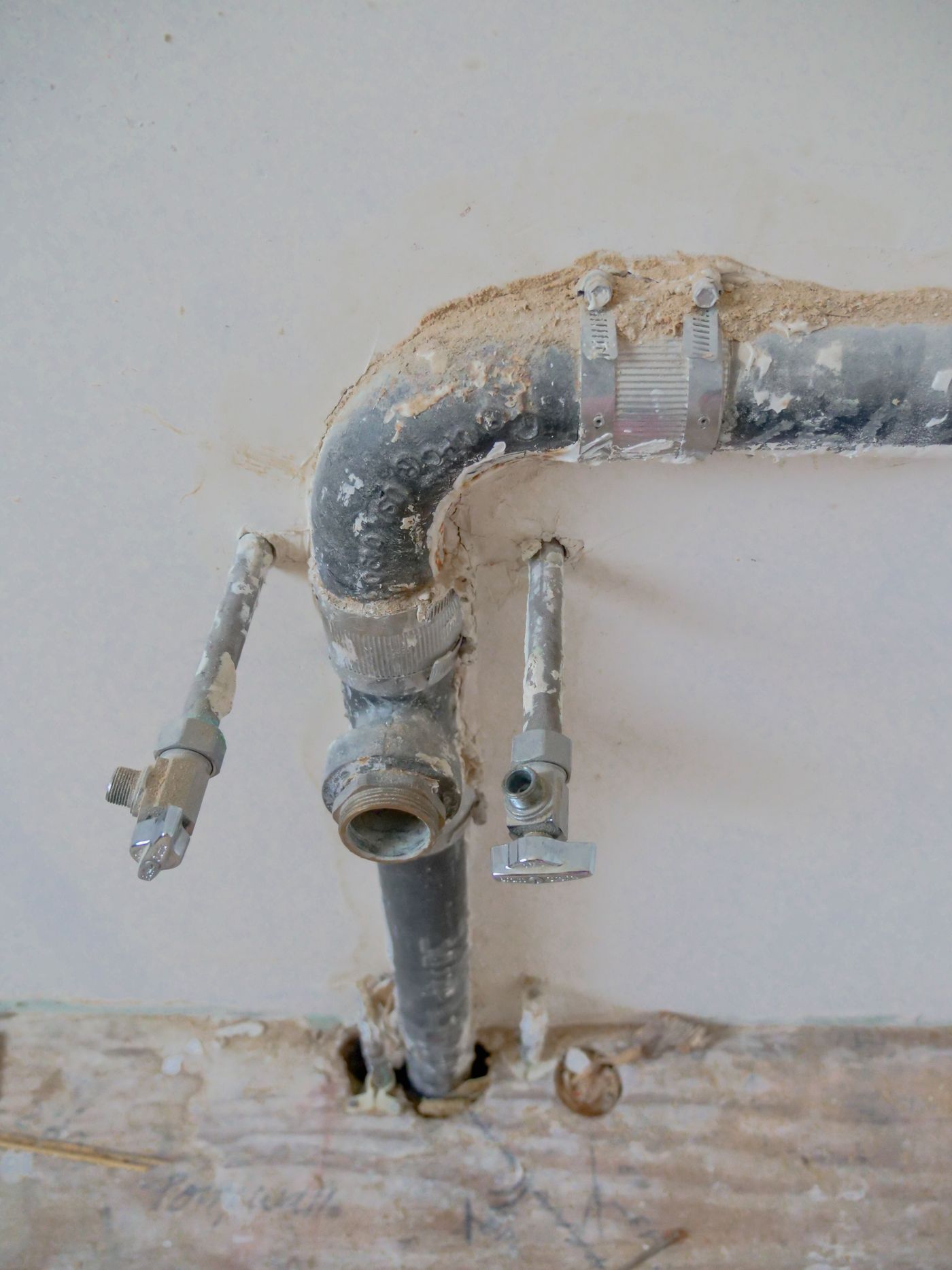
Hurricane season water filtration in Miami: clean water at home before and after every storm
Updated November 22, 2026
For hurricane season water filtration in Miami, we install UV and well treatment before the storms, then disinfect wells, replace cartridges and retest your water after them, so your home is back on clean, fresh water fast, with 1 call to the same team that services your system.
- Free in-home water test
- Written quote, no pressure
- Licensed, insured installers
On a private well? Storm prep starts with our well water treatment, including UV disinfection, and a water test after any flood.
What should you do with your water after a hurricane?
Follow any notice that covers your address, then call us to get your system back to fresh filters. Miami-Dade’s after-a-hurricane guidance tells you to bring water to a rolling boil for 1 minute, or treat it with unscented bleach as the county directs, until a notice is lifted. The county lists its water lab lines for questions: 786-552-4738 for the north and 786-552-4181 for the south.
On a private well, nobody issues a notice for you, so use bottled or boiled water after any flooding until a certified lab test clears the well. The table shows what the agencies say for each situation, in our words, and what we do once the water goes down.
| Your situation | What the agencies tell you | What we do once it passes |
|---|---|---|
| Boil water notice on county water | Boil or treat with bleach as directed until the notice is lifted | Replace sediment and carbon cartridges stirred up by the repair |
| Private well under floodwater | Use bottled or boiled water; floodwater can carry organisms into the well | Disinfect the well, then send a sample to a certified lab |
| Filter cartridges on a flooded well | Remove cartridges and membranes before disinfecting | Install fresh cartridges and a membrane after the well is cleared |
| Softener or iron filter on a flooded well | Backwash it after the chlorinated water has sat | Backwash, sanitize and restart every stage |
| Well that floods often | Test after every flood | Install UV as the last stage so bacteria are treated every day |
Which part of your system handles a boil notice?
UV does, on a well, and on county water you follow the notice while we refresh your filters afterward. Boil notices in Miami are usually local, often one building or neighborhood after a main break or repair, and the county keeps its pipes in service with projects like the raw water main work North Bay Village announced.
The carbon and reverse osmosis filters most homes have are built for taste, chloramine and drinking water, not as the bacteria stage. A UV unit certified to NSF/ANSI 55 Class A is the stage built for bacteria, and it is what we put on wells. After any notice or repair nearby, we swap the cartridges that caught the stirred-up sediment so your water tastes fresh again.
How do we get a flooded well back to clean water?
We disinfect it, send a sample to a certified lab and add the treatment that keeps working next time. DOH in Miami-Dade issues flooding advisories telling well owners to use bottled or boiled water after heavy rain, and its Environmental Public Health line is 305-324-2400.
After Tropical Storm Eta, the same office told well owners to test for coliform at a certified lab. We handle the disinfection, the sample and the UV stage that treats every gallon from then on.

How do you disinfect a flooded well?
With chlorine bleach, in order, then a lab test, and we do every step for you. This is the sequence in Florida DOH’s storm guidance, condensed; follow its chart for amounts and times.
Run the water clear, then shut down
Run water until it clears. Turn off the pump and drain the water heater.
Pull the filters
Remove filter cartridges and RO membranes so bleach and floodwater don’t sit in them.
Chlorinate the well
Flush the wellhead with a bleach mix and pour the charted amount of bleach into the casing for your well’s size.
Draw it through the house
Run each faucet until you smell bleach, then let the chlorinated water sit for the time DOH sets.
Backwash and flush
Backwash softeners and iron filters, then flush the lines until the bleach smell is gone.
Confirm with a lab
DOH says the way to verify the water is a certified laboratory test. Until it comes back clean, keep boiling or using bottled water.
What well treatment keeps working through the next storm?
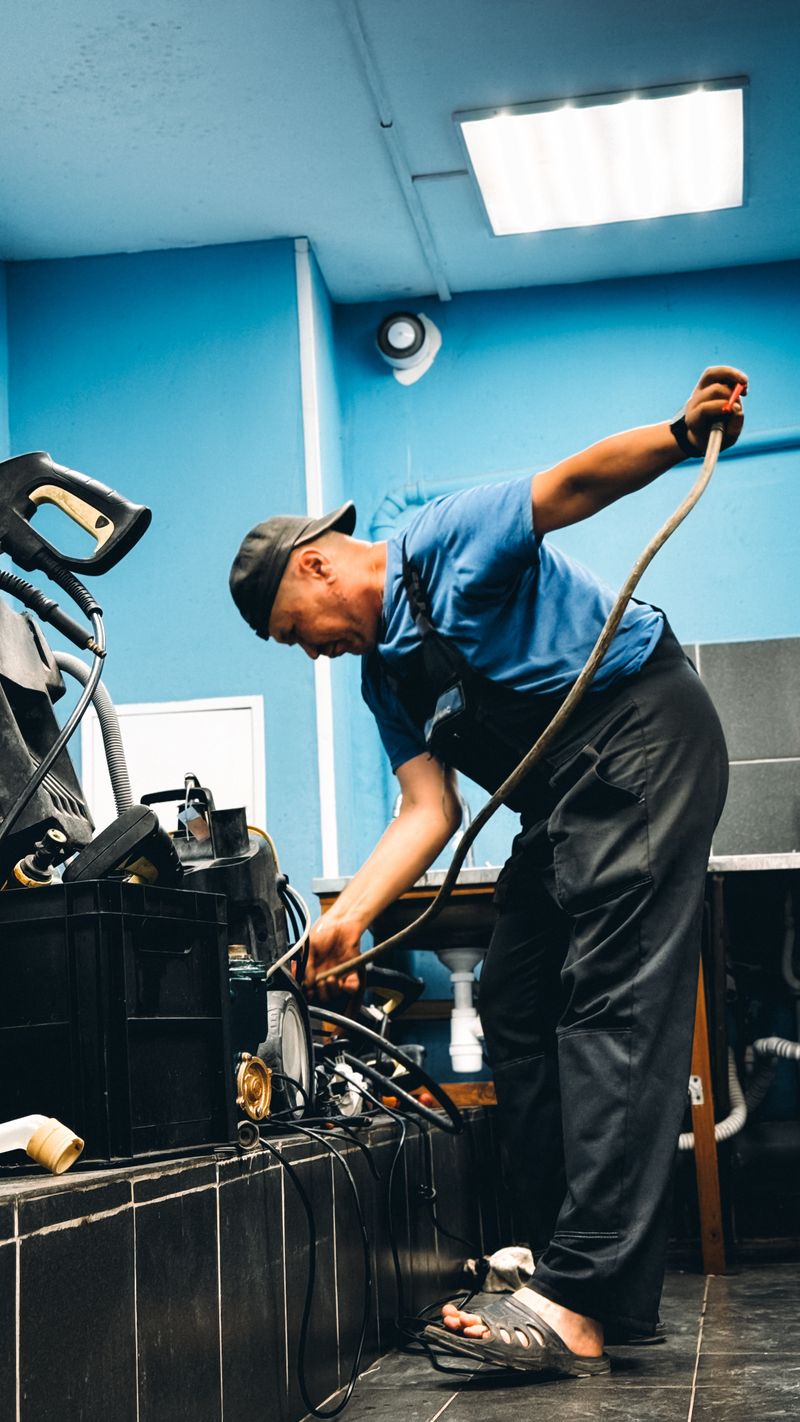
A UV stage behind sediment and iron filters, installed and serviced by us. Disinfecting a well fixes this flood; a treatment train handles the next one, and the iron, sulfur and hardness in between.
- UV as the last stageCertified to NSF/ANSI 55 Class A, treating every gallon on the way into the house.
- Sediment and iron ahead of itClear water lets the UV light do its job.
- RO at the kitchen sinkFor nitrate and PFAS, on a model listed for them. See reverse osmosis.
- Know its limitUV needs power. When the power is out, go back to boiling or bottled water until it’s restored.
- Service after the stormLamp, sleeve and cartridge checks, plus a retest.
Should you change your filters after a storm?
Yes, on a flooded well every time, and on city water after any boil notice or main break nearby, and we come do it. Repairs and flushing move sediment through the lines; Sunny Isles Beach explains that hydrant flushing removes rust and sediment from pipes, and your prefilter catches what reaches your house.
We replace sediment and carbon cartridges, check the RO membrane with a dissolved solids reading and restart softeners after the power comes back. Customers on a service plan get a call from us after a storm. How the normal schedule works is in how often to change your water filter in Florida.
How do we get your water ready before the season starts?
We do a pre-season visit in May, before the first named storm. Here is what we check and set up with you:
- Your main shutoff and the bypass valve on your filter or softener. No bypass? We add one.
- A spare set of cartridges for every stage, left with you.
- The county lab lines and, on a well, the DOH-Miami-Dade number saved in your phone.
- A baseline well test, so there is something to compare after a flood. Most Miami-Dade wells are in Redland and around Homestead.
- UV added if your well doesn’t have it.
For the full picture on wells, see well water treatment and the best water filter for Florida well water.
Storm and water questions
Can my water filter replace boiling during a boil notice?
No. Follow the notice. The carbon, softener and RO systems in most homes aren’t the bacteria stage. A UV unit certified to NSF/ANSI 55 Class A is built for bacteria, and we install it on wells, but under a utility notice the county’s instruction is to boil or use bleach until it’s lifted.
Should I change my filters after a boil water notice?
We recommend it. The main break or repair that caused the notice stirs up sediment, and your prefilter and carbon catch it. We replace them, flush the system and check the RO membrane. Book it once the notice is lifted.
How soon after a flood should I test my well?
Right after the well is disinfected and flushed. DOH-Miami-Dade told well owners after Tropical Storm Eta to test for coliform at a certified lab. We collect the sample and send it for you. See water testing.
What does well treatment cost after a storm?
We price it to your well. What changes the price: disinfection only or added UV, how many stages your lab results call for, how far the well sits from the house, and the permit. Your quote is free and in writing first. See the cost guide.
Do you handle the permit?
Yes. Adding UV or other treatment to a water supply line is plumbing work in Florida, and Miami-Dade’s permit exemption list doesn’t cover water treatment equipment. We pull the permit and schedule the inspection.
Sources
- Miami-Dade County, After a hurricane
- DOH-Miami-Dade, flooding advisory, June 2024
- DOH-Miami-Dade, Tropical Storm Eta alert for private well owners, November 2020
- Florida Department of Health, water supply risks after storms, 2020
- North Bay Village, WASD raw water main rehabilitation, November 2025
- Sunny Isles Beach, annual chlorine disinfection notice
- NSF, filtration and treatment standards
- Miami-Dade, permit exemptions
Go into storm season with clean water ready at every tap
Book a free in-home water test. We show you what is in your water, quote the right system in writing, and our licensed, insured installers handle the rest, permit included.