Miami water filtration FAQ: straight answers on getting clean water at home
Updated November 22, 2026
Here are 36 straight answers on Miami water filtration: what each of our systems does, what decides your price, how condos and wells are handled, and how our free in-home water test, licensed installation and service work.
- Free in-home water test
- Licensed, insured installers
- Permits handled for you
- We service what we install
What do you want to know?
- Water problems we fix8 questions
- Systems7 questions
- Cost5 questions
- Installation and permits5 questions
- Condos and renters3 questions
- Wells4 questions
- Service and maintenance4 questions
What water problems do we fix?
What’s in Miami tap water?
County water is disinfected, not filtered at your tap, so it still carries chloramine, disinfection byproducts and, per the 2025 county report, PFAS such as PFOS and PFOA. We test your water free at your home, show you what is in it and install the system that takes care of each one. What’s in Miami tap water.
Why does my shower smell like a pool?
That’s chloramine, the disinfectant Miami-Dade keeps in the pipes every day of the year. Ordinary carbon handles it poorly, so we install catalytic carbon on your main line, and the smell is gone at every tap and showerhead. Chloramine in Miami water.
How do I get PFAS out of my water?
With reverse osmosis at your kitchen sink. In a Duke study cited by the Miami Herald, under-sink RO was the most consistent home option, and we install RO systems whose NSF/ANSI listing names PFOA and PFOS, so your drinking and cooking water comes out pure. PFAS in Miami water.
Why is there white scale on my faucets and shower glass?
Minerals in the water dry on glass and fixtures and build up inside water heaters. We take a hardness reading at your tap and install a softener or salt-free conditioner, so shower doors, faucets and dishes stay spotless. Hard water in Miami.
Why does my tap water taste bad?
Usually chloramine and the byproducts it forms in the pipes. Catalytic carbon takes them out of every tap, and reverse osmosis at the sink gives you clean, crisp drinking water for coffee, tea and ice. Bad-tasting water in Miami.
Where does lead in Miami water come from?
From inside your building: older pipes, solder and fixtures add it after the water leaves the county. We install reverse osmosis at the kitchen sink on a model whose NSF/ANSI listing names lead, so it’s filtered out where you drink. Lead in Miami water.
Why does my water smell stronger some weeks of the year?
Once a year, usually in late summer or fall, Miami-Dade switches its pipes to free chlorine for about two weeks, and the county warns customers they may notice the taste and smell. Whole-home catalytic carbon handles both disinfectants, so your water smells the same all year. Whole-house filtration.
What’s in Hollywood, FL tap water?
Hollywood runs its own plant and also uses chloramine, so the fix is the same. We install catalytic carbon for the house and certified RO at the kitchen sink across Hollywood, and pull the permit with the city. Hollywood, FL water.
Pure drinking water at your kitchen sink, installed in one visit
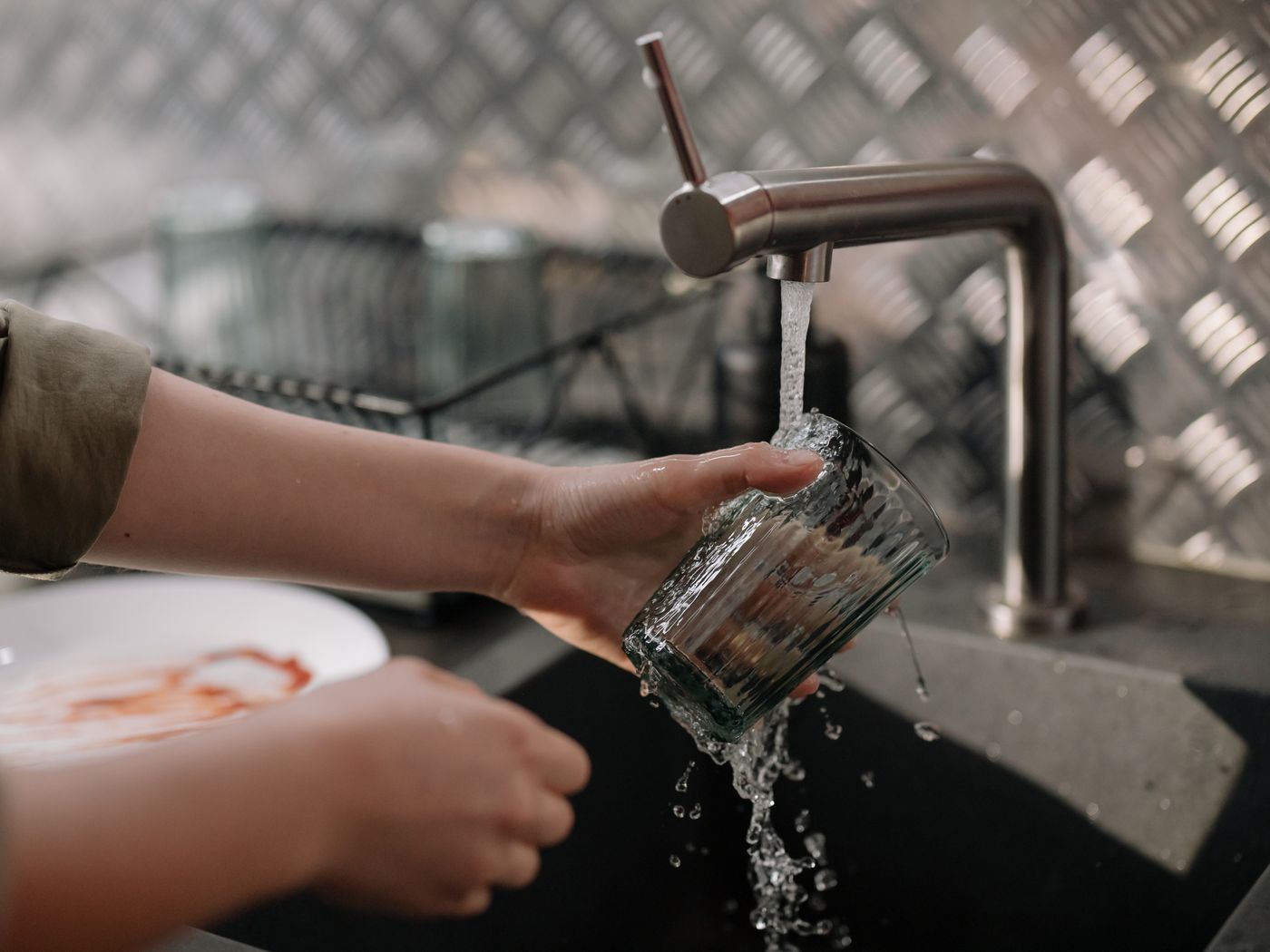
A certified reverse osmosis system gives you clean water for drinking, cooking, coffee and ice, straight from a faucet at your sink. We test first, install it in a single visit and change the filters when they’re due.
Which system do you need?
What’s the best water filter for a Miami home?
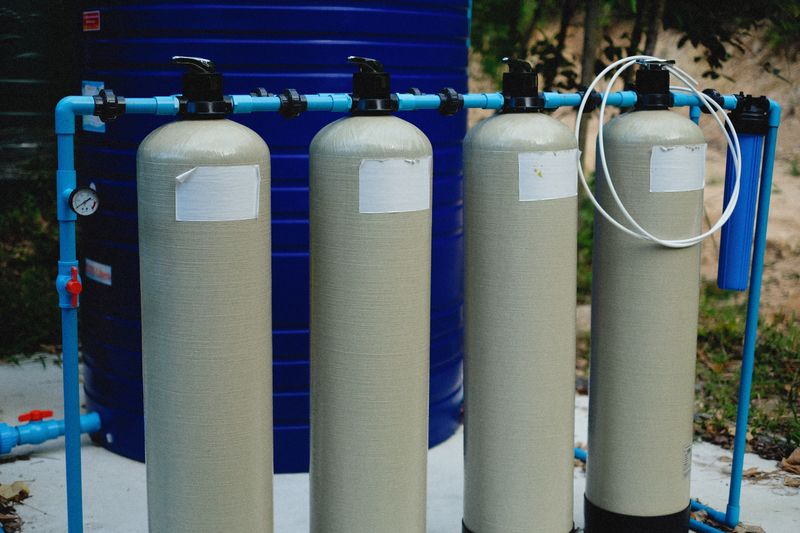
For a house on county water, we install catalytic carbon on the main line for chloramine and byproducts, plus certified reverse osmosis at the kitchen sink for PFAS and lead. Add a softener or conditioner if scale is building up. In a condo, under-sink RO and a shower filter. On a well, we design the system around your free water test. Whole-house filtration in Miami.
What’s the difference between whole-house filtration and reverse osmosis?
Whole-house filtration treats every tap, shower and appliance: catalytic carbon takes out chloramine and its byproducts. Reverse osmosis is a fine membrane at the kitchen sink that filters out PFAS, lead and nitrate on certified models, for the water you drink and cook with. On Miami county water, most homes need both, and we install them in one visit. Reverse osmosis in Miami.
Will my fridge or pitcher filter take out PFAS?
Only if that exact model is certified for it, and most aren’t. Certification is product and contaminant specific, so the filter’s NSF/ANSI 53 or 58 listing has to name PFOA and PFOS. In a Duke study cited by the Miami Herald, activated carbon was inconsistent on PFAS and under-sink RO was the most consistent. We install certified RO. PFAS and the 2029 deadline.
Why doesn’t a regular carbon filter handle chloramine?
Chloramine is chlorine bonded to ammonia, and it’s more stable than plain chlorine, so ordinary activated carbon handles it poorly. Catalytic carbon is the media built for it. Miami-Dade keeps chloramine in the pipes, so a quote that just says “carbon” isn’t enough. We install catalytic carbon sized to your household’s flow. Which carbon works on chloramine.
Softener or salt-free conditioner: which stops scale better?
Both stop the white crust. A softener removes calcium and magnesium, so a hardness test reads lower, and it’s our pick for private wells. A salt-free conditioner keeps the minerals in but stops them sticking, with no salt, no drain and no added sodium. We take a hardness reading at your tap and recommend one in writing. Softener vs salt-free conditioner.
What does reverse osmosis take out?
A reverse osmosis system pushes water through a fine membrane that holds back dissolved solids. NSF/ANSI 58 is the standard for home units, and certified models can be listed for PFOA and PFOS, nitrate, lead, arsenic and fluoride. We install RO with a remineralizing stage so the water tastes right, under most kitchen sinks. Reverse osmosis in Miami.
Which certifications should a water system have?
The ones that match what you want out. NSF/ANSI 42 covers chlorine, chloramine, taste and odor; 53 covers health claims such as lead and, on certified models, PFOA and PFOS; 58 covers reverse osmosis; 44 covers softeners; 55 covers UV. Certification is product specific, so we show you each system’s listing with your quote. Our standards.
What decides the price?
How much does whole-house filtration cost in Miami?
We price it after your free water test and put it in writing. What changes the price: your home’s size and number of bathrooms, your water source, which stages you need, access to the main line, the permit and the maintenance plan you pick. What decides your price.
How much does a reverse osmosis system cost?
Your price comes in writing after your free in-home test. It depends on the certified system you need, where it goes under your sink, whether you add a fridge or ice maker line, and the filter plan. Whole-house RO is a different, larger job that we quote separately. Reverse osmosis in Miami.
How much does a water softener cost in Miami?
We size the unit to the hardness at your tap and your household, then quote it in writing. The price depends on the tank size, softener or salt-free conditioner, county water or well, access to the main line, the permit and service. Water softener installation in Miami.
Is the in-home water test free?
Yes. We come to your home, test your water at the tap, look at your plumbing and explain what’s in your water in plain words. Then we recommend a system and leave a written quote. There’s no charge for any of it and no pressure to sign that day. Water testing in Miami.
Do you offer financing?
Financing may be available on installed systems. Ask during your free in-home water test, and we put the monthly payment, the number of months and the total in writing next to the cash price, so you can compare them side by side before you decide anything. What decides your price.
How do installation and permits work?
How long does installation take?
Most installs are done in a single visit, and an under-sink RO system is usually quicker than a whole-house job. Well systems with several tanks take longer. We put the schedule in writing with your quote and book the install at a time that works for you. Whole-house filtration in Miami.
Do you handle the permit?
Yes. Florida treats main-line water treatment work as plumbing, and Miami-Dade’s permit exemption list doesn’t include water treatment equipment, so we pull the permit for every main-line install. Hollywood and other Broward cities permit separately, and we handle those too. You never deal with the building department. Why homeowners choose us.
Who installs the system?
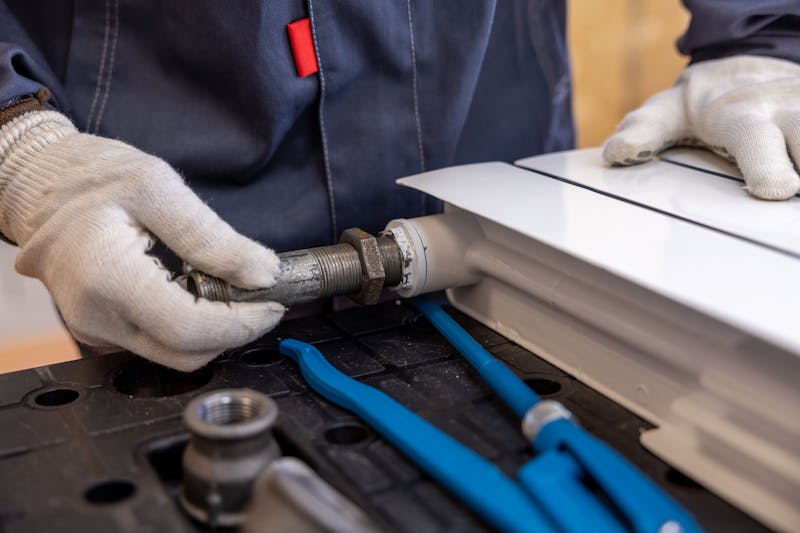
Our licensed, insured installers. Tying a filter or softener into your main line is plumbing work under Florida Statutes 489.105, and Florida has no separate water treatment license, so that’s who does it. Our license number goes on your written quote and contract, as state law requires. About Miami Water Filtration.
Can I install a whole-house filter or softener myself?
Florida treats tying into your main line as plumbing work, and Miami-Dade’s permit exemption list doesn’t cover it, so a DIY install still needs a permit and an owner-builder form. A box from the store also doesn’t know your water. We test first, install a certified system, pull the permit and service it afterward. Us vs big-box DIY.
What happens after I book my free water test?
We usually call back within one business day to book a time. At your home we test your water at the tap, check your plumbing and show you the results. You get a written quote for the right system before any work. If you go ahead, our licensed installers do the job, we pull the permit, and we service what we install. Book your free water test.
How does our service work? One call, a free test, a system installed right
- Free in-home water testAt your tap, not a county average.
- Written quote, no pressureThe price in writing before any work.
- Licensed, insured installersUsually done in a single visit.
- Permits handledWith Miami-Dade or your Broward city.
- We service what we installFilter changes and repairs on schedule.
Can condo owners and renters filter their water?
Can I put a water filter in my condo?
Yes, inside your unit. The building usually owns the main line, so we install under-sink reverse osmosis at the kitchen for drinking water and a shower filter for chloramine. We work to your association’s rules for plumbing work, and it’s one of our most common setups. Condo and under-sink filters.
What can I install as a renter?
An under-sink reverse osmosis system with your landlord’s written permission, or filters that don’t alter the plumbing, like a shower filter or countertop unit. We install systems that come out cleanly when you move. Filters for Miami condos and rentals.
Why isn’t my building’s filter enough?
A sediment filter on the building’s main is built for sand and rust, not chloramine or PFAS, and older buildings add their own risers and fixtures between the main and your tap. Under-sink reverse osmosis treats the water where you actually drink it. Condo water filters.
How do we treat private wells?
Why does my well water smell like rotten eggs?
Hydrogen sulfide gas, according to UF/IFAS, a common problem in Florida wells. The same water often carries iron and hardness too, so we test first and build the system around the result: aeration or an oxidizing filter for sulfur, an iron filter, then scale control. Rotten egg smell in Miami water.
Why are my fixtures stained orange?
Almost always iron. Iron stains fixtures and laundry and wears down a softener, so we put an iron filter ahead of it and your sinks, tubs and whites stay clean. Iron stains in Miami water.
What should I do after my well floods?
Get it tested. UF/IFAS calls flooding “one of the biggest causes of bacterial contamination in private wells,” and DOH-Miami-Dade issued a flooding advisory for well owners after heavy rain in June 2024. Florida DOH recommends a bacteria and nitrate test every year. We install UV systems that disinfect water as it flows. Well water treatment.
What does a UV system do on a well?
A UV system passes water by an ultraviolet lamp that disinfects it as it flows, aimed at bacteria and other microbes. It doesn’t take out iron, sulfur or minerals, so we install it after the filters. Home units are certified under NSF/ANSI 55. UV for Miami-Dade wells.
Do we service what we install?
Do you service what you install?
Yes. We handle filter, media and membrane changes, salt, repairs and checkups for every system we install, so you have one company to call for the life of the system. We set the service schedule when we install it, based on your water and your household’s use. Repair and filter changes.
How often do filters need changing?
It depends on the system and how much water you use. Sediment and carbon cartridges, RO pre-filters and membranes, catalytic carbon media and UV lamps each have their own schedule from the maker. We set the schedule at install and handle the changes. Filter change service.
What are the signs my system needs service?
The pool smell coming back in the shower, a chemical taste returning at the tap, white scale reappearing on glass, low pressure, or an RO faucet that runs slowly. Each one means a cartridge, media or membrane is spent, or something needs repair. Call us and we’ll test your water and fix it. Water filter repair in Miami.
Can you service a system someone else installed?
Tell us the brand and model when you book. We test your water, check the system and tell you in writing whether it needs new filters, a repair or a replacement that fits your water better. Many older systems in Miami homes were never built for chloramine or PFAS. Repair and maintenance.
Sources
- Miami-Dade WASD, 2025 Water Quality Report
- Miami-Dade WASD, water supply and treatment
- City of Doral, 2024 WASD chlorine conversion notice
- Town of Miami Lakes, 2025 WASD chlorine conversion notice
- Miami Herald, April 12, 2024, on the Duke PFAS filter study
- NSF, NSF/ANSI 42, 53 and 401 standards
- UF/IFAS, private well frequently asked questions
- Florida Department of Health, private wells
- DOH-Miami-Dade, June 2024 flooding advisory
- Miami-Dade County, permit exemptions
- Florida Statutes 489.105, plumbing contractor scope
- Florida Statutes 489.119, license number in bids and contracts
Start drinking cleaner water this week
Book a free in-home water test. We show you what is in your water, quote the right system in writing, and our licensed, insured installers handle the rest, permit included.