Rotten egg smell in your water: fresh, clean-smelling water again
Updated November 22, 2026
We fix a rotten egg smell in your water by finding the source on a free in-home test, then installing aeration or an oxidizing filter on your well, or servicing your water heater’s anode rod, usually in 1 visit, so every shower and glass smells fresh and clean.
- Free in-home water test
- Written quote, no pressure
- Licensed, insured installers
- Free in-home water test
- Licensed, insured installers
- Permits handled for you
- We service what we install
Why does my water smell like rotten eggs?
Because there’s hydrogen sulfide gas in it, and we take it out with aeration, an oxidizing filter or water heater service. The University of Florida’s well water program addresses the “rotten egg smell” directly in its private well FAQ, and notes that at high levels hydrogen sulfide corrodes plumbing. It takes very little to notice, so if you can smell it, it’s there.
In our service area it comes from two places. The first is the ground: a well in Redland, Homestead or Southwest Ranches pumps Biscayne Aquifer water straight into the house with no treatment plant in between. The second is the water heater: the metal anode rod inside the tank, which is there to protect it from rust, can react with the water and produce the same gas, so the smell shows up only on the hot side.
Where is the smell coming from, and which fix do we use?
We find the source on your free test and match the fix to it. Where you smell it tells us most of what we need to know. Run cold, then hot, at a few faucets. Our technicians do the same thing on the free water test, then confirm it with a water test.
| Where you smell it | Most likely source | How we fix it |
|---|---|---|
| Hot and cold, every faucet, on a well | Hydrogen sulfide in the well water | Aeration or an oxidizing filter on the well line |
| Hot water only | The water heater’s anode rod reacting with the water | Anode replacement and tank flush |
| Faint, only when the water first runs | Low sulfide level in the well | Whole-house carbon, sized for your flow |
| Smell plus orange stains | Sulfide and iron together, common in aquifer wells | An oxidizing filter that handles both |
| Smell started after a storm or flood | A change in the well after flooding | A bacteria test, shock chlorination, then UV |
UF/IFAS lists shock chlorination as the most common treatment for hydrogen sulfide, and it’s a good first step after a flood. It doesn’t last, though. A well that pumps sulfide water today will pump it again next month. That’s why we put treatment on the line, so the smell stays gone.
On a well, we build the treatment plant into your home
Southwest Ranches is “mostly served by” individual wells, and so is much of the Redland. City water passes through a plant; well water comes straight from the aquifer. We put the right stages in the right order, sulfur and iron first, then hardness and UV if your test calls for them, so the water that reaches your taps smells like nothing.

How do I get rid of the sulfur smell in my well water?
With treatment that turns the gas into something a filter can catch. We install two main systems, and your water test decides which one fits.
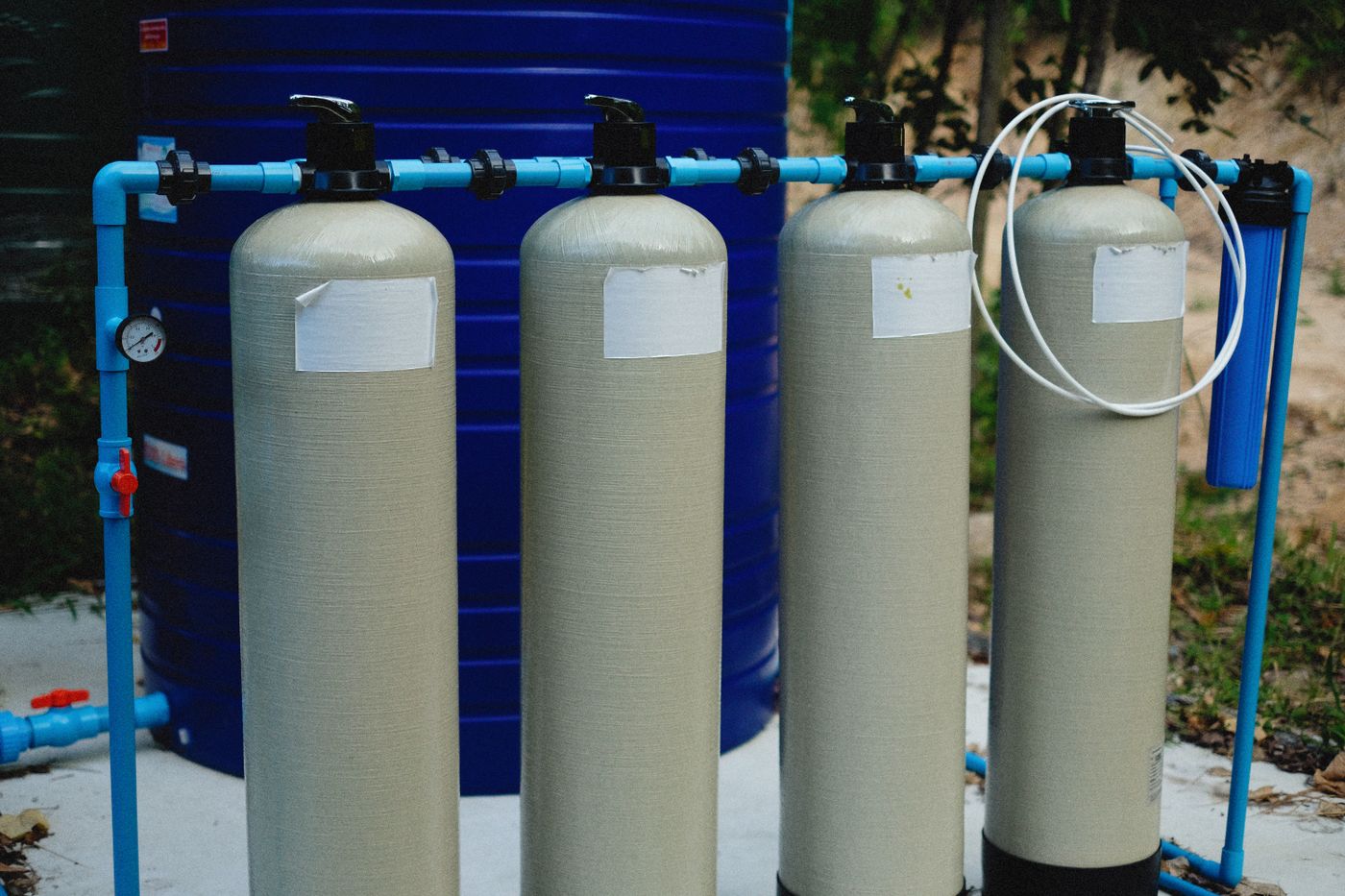
Aeration. Air is mixed into the water in a tank, the hydrogen sulfide gas is vented out, and the water moves on to the rest of the system. It suits stronger smells and higher flow, and it uses no chemicals.
Oxidizing filter. A filter bed oxidizes sulfide and dissolved iron into particles, traps them, and backwashes them to a drain on a timer. It suits most South Florida wells, where sulfur and iron show up together, and it protects a softener downstream from fouling.
Water heater service. When the smell is hot-side only, we replace the anode rod with a type suited to your water and flush the tank. It is often the fastest fix on this page.
Carbon for mild cases. A faint smell can be handled with a whole-house carbon filter sized for your household’s flow. It costs less up front, and the media gets replaced on a schedule.
| System we install | Best for | Also handles | What changes the price |
|---|---|---|---|
| Aeration | Strong rotten egg smell, high flow | Some iron | Sulfide level, household flow, tank space |
| Oxidizing iron and sulfur filter | Sulfur plus orange stains | Iron | Sulfide and iron levels, backwash drain location |
| Whole-house carbon | Faint smell | Taste and odor | Tank size for your flow |
| UV disinfection | After flooding, bacteria | Bacteria the other stages don’t touch | Lamp size for your flow |
| Water heater anode service | Hot-side smell only | Protects the tank | Heater type and anode access |

What changes once the smell is gone?
Showers, laundry and every glass smell fresh again.
- No rotten egg smellIn the shower, at the kitchen sink or in the laundry.
- Coffee and ice that taste rightSulfide taste is gone before the water reaches the tap.
- Plumbing protectedSulfide comes out before it reaches your pipes and fixtures.
- A softener that lastsSulfur and iron come out first, so the resin stays clean.
- Guests who don’t askAbout the smell in the guest bath.
Which system gets the smell out for good?
Free in-home water test, free written quote, licensed and insured installers, permits handled, and we service what we install. Financing may be available.
-
Oxidizing sulfur and iron filter
Most South Florida wells
One tank for the smell and the orange stains.
- Takes out hydrogen sulfide and iron
- Backwashes itself to a drain
- Protects a softener downstream
What changes the priceYour home’s size, water source and which stages you need. We put it in writing after your free water test.Quote a sulfur filter -
Aeration system
Strong smell
Air vents the gas out before the water reaches the house.
- For heavy sulfide levels
- No chemicals
- Pairs with iron filtration and a softener
What changes the priceYour home’s size, water source and which stages you need. We put it in writing after your free water test.Quote aeration -
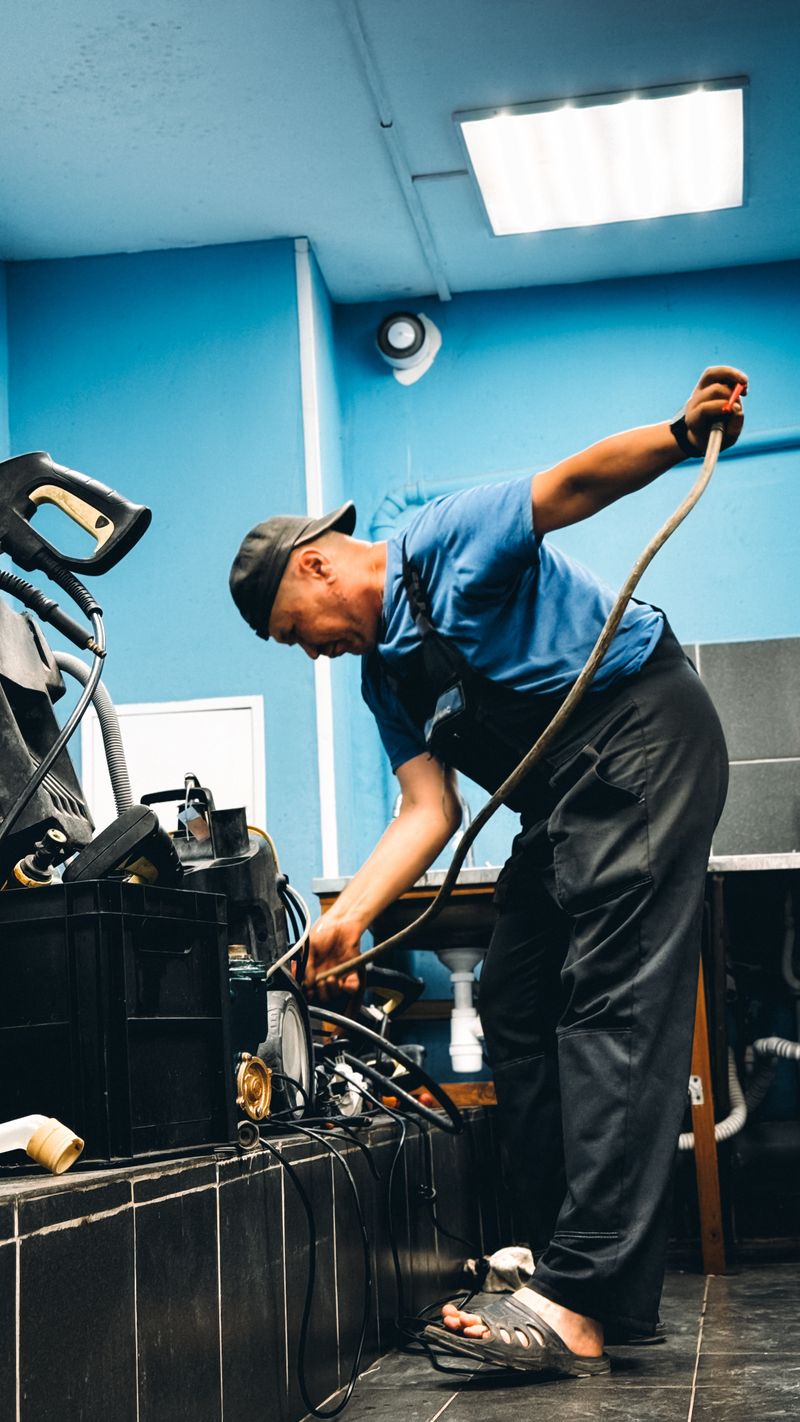
Water heater anode service
Hot water only
For the smell that only comes out of the hot tap.
- Anode replaced with a type suited to your water
- Tank flushed
- City water or well
What changes the priceYour heater type and anode access. We put it in writing after we see your heater.Quote heater service


How fast can we fix it? We find the source, quote in writing and fix it in one visit
Free in-home water test
We check hot and cold at several taps, test the water for hydrogen sulfide, iron, hardness and pH, and look at the well and the water heater.
Written quote
The system that fits your results, with the price in writing before any work.
Licensed installation
Our licensed, insured installers set the equipment, run the backwash drain, and handle the permit. Florida treats this as plumbing work, and Miami-Dade’s permit exemption list doesn’t include water treatment equipment.
Service after install
We service what we install: media checks, valve settings and post-storm visits.
What do South Florida homeowners ask about the rotten egg smell?
Why does my well water smell like rotten eggs?
Hydrogen sulfide gas in the water. UF/IFAS covers it in its Florida well water FAQ, and it’s noticeable at very low levels. Wells in Redland, Homestead and Southwest Ranches pump raw aquifer water with no treatment plant in between. Aeration or an oxidizing filter on the well line takes it out before it reaches the house.
Why does only my hot water smell like rotten eggs?
That points to the water heater. The anode rod inside the tank, there to protect it from rust, can react with the water and make hydrogen sulfide on the hot side only. We replace the anode with a type suited to your water and flush the tank. If the cold side smells too, the source is the water itself.
How much does it cost to fix sulfur water in South Florida?
We price it after a free test and put it in writing. What changes the price: the source (well or water heater), the sulfide and iron levels, your household’s flow, where the backwash drains, the permit and service. What decides your price.
Do you handle the permit and service the system?
Yes to both. Installing treatment on your water line is plumbing work in Florida, and Miami-Dade’s permit exemption list doesn’t include water treatment equipment, so our licensed, insured installers pull the permit. After install, we service what we install, including media checks and visits after storms. Repair and maintenance.
Where to next?
- Well water treatmentSulfur, iron, hardness, bacteria and salt
- Orange and rust stainsIron in South Florida wells
- Homestead and RedlandCity water, South Dade and private wells
- Water testingWhat a well test covers
- Water filtration cost in MiamiWhat decides your price
Sources
- UF/IFAS, Well water frequently asked questions
- USGS, Water-Resources Investigations Report 91-4009, Biscayne Aquifer
- Town of Southwest Ranches, wells and septic
- Florida DOH in Miami-Dade, flooding advisory, June 2024
- Florida Statutes 489.105 (plumbing contractor scope)
- Miami-Dade County, Permit exemptions list
Start enjoying fresh-smelling water this week
Book a free in-home water test. We show you what is in your water, quote the right system in writing, and our licensed, insured installers handle the rest, permit included.